

Views: 0 Author: Site Editor Publish Time: 2026-03-05 Origin: Site


With the advancement of smart home technology and modern architecture, electric window openers have become increasingly prevalent in residential and commercial spaces. These devices not only enhance window-opening convenience but also integrate seamlessly with ventilation and shading systems. So what are the common malfunctions and repair solutions for electric window openers? Today, the 3H Hardware will share essential insights on this topic.
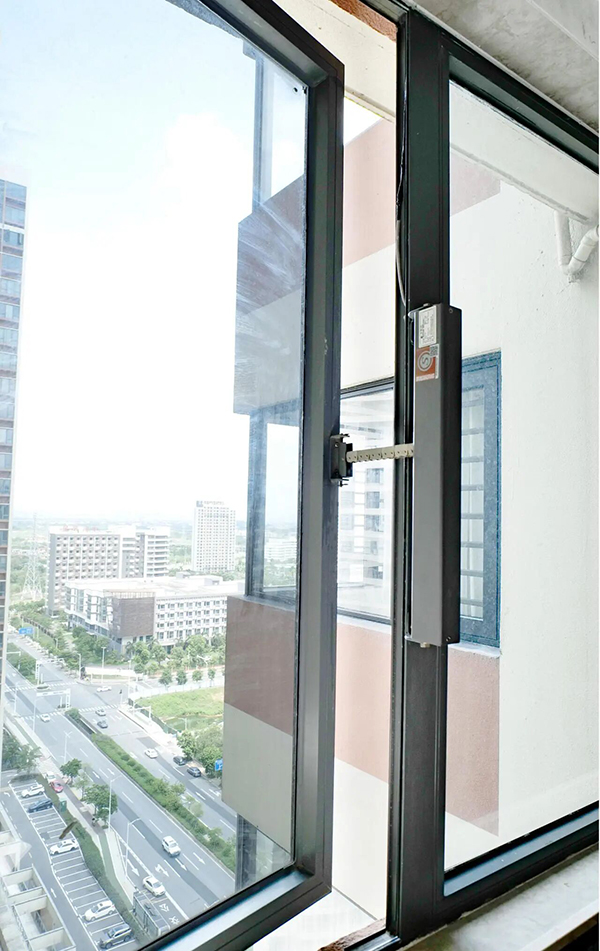
I. Common Fault Types
Motor failure: The core component of an electric window opener is the motor. If the motor fails to rotate after switching operations, common causes include power supply faults, poor circuit contact, or motor damage.
Switch failure: The control switch's inability to respond is a common issue, typically caused by switch aging, loose internal contacts, or damaged wiring.
Slow operation or excessive noise: If the window opener operates at reduced speed or emits abnormal noise, it may indicate blockage of the guide rails by dust or foreign objects, insufficient lubrication, or gear wear.
Position sensing failure: The limit switch controls the window sash's opening/closing position. Failure may cause the sash to open excessively or fail to close completely.
Automatic reset or tripping upon power failure: Overload, short circuit, or unstable power supply may trigger the protection device, causing the window opener to trip or reset automatically.
II. Basic Maintenance Methods
Power supply and wiring inspection: First, confirm whether the power supply is functioning normally, and inspect sockets, wiring, and terminal blocks for looseness or oxidation. If damage is detected, replace them immediately.
Motor and gear maintenance: Regularly clean dust from the surfaces of motors and gears, and apply an appropriate amount of lubricating oil to gears and bearings. If the motor is damaged, it is recommended to replace it with a factory-new motor.
Switch and control system inspection: Test whether the switch functions properly and check if the control board or signal lines are damp or open-circuited. If issues are identified, replace the switch or contact professional personnel for control board repair.
Maintenance of guide rails and mechanical components: Clean dust and debris from guide rails, hinges, and other mechanical parts to maintain lubrication and smooth operation. Adjust the limit switch position as needed to ensure proper window sash opening and closing.
Safety Protection and Fault Reset: Inspect the overload protection device of the window opener and test its reset function to ensure automatic equipment protection in case of abnormal load or short circuit.
III. Prevention and Daily Maintenance
Regular maintenance is crucial for extending the service life of electric window openers. It is recommended to inspect the motor, wiring, and guide rails every three months, promptly removing dust and debris; avoid overloading; and regularly lubricate mechanical components to ensure smooth window operation.


