

Views: 0 Author: Site Editor Publish Time: 2026-01-08 Origin: Site


What load capacity is suitable for floor springs for glass doors? Today, Hoping Hardware is here to explain. Nowadays, glass doors are widely used in places like shopping malls and offices, looking bright and aesthetically pleasing. However, there's a small but crucial detail during installation—selecting the floor spring, especially its load capacity. Choosing the right one ensures smooth operation and a long service life for the door; choosing the wrong one can lead to poor opening/closing at best, and safety hazards at worst.
What is a Floor Spring and What Does it Do?
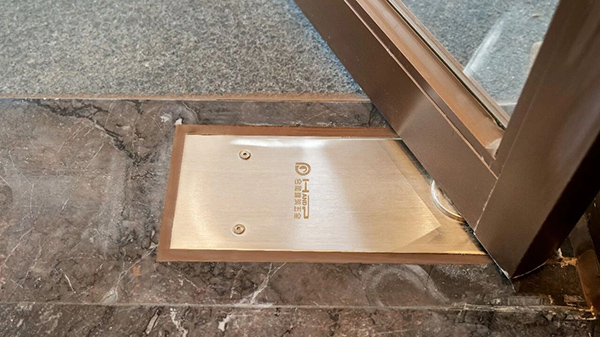
Simply put, a floor spring is a "door closer" hidden within the floor. It not only controls opening and closing but also allows adjustment of the closing speed and force. It holds the door steadily in place, preventing it from swinging uncontrollably in the wind. Classified by load capacity, they generally come in three types: Light-duty, Medium-duty, and Heavy-duty, corresponding to doors of different weights and for different applications.
How to Choose the Load Capacity? Focus on These Three Points:
First, Weigh the Door. The weight of the glass door itself is the primary basis. Ordinary single-pane glass doors are relatively light, commonly under 50kg. However, if it's thickened glass, double-paned, or has an exceptionally large leaf, the weight might exceed 100kg. The floor spring's load capacity should preferably be slightly greater than the door's weight. For example, for a 60kg door, you could choose a model rated for around 80kg. Having some margin increases durability.
Second, Consider the Dimensions. The wider and taller the door, the greater the demand on the floor spring. Generally, for doors wider than 1 meter or taller than 2 meters, you need to consider using a medium-duty or even heavy-duty floor spring; otherwise, it might not be able to support the door properly.
Third, Think About the Usage Scenario. For doors in residential areas that are opened and closed only a few times a day, light-duty springs are usually sufficient. However, for high-traffic areas like restaurants, shopping malls, or office buildings where doors are constantly in use, you must opt for medium-duty or heavy-duty springs. It's often advisable to choose a capacity one grade higher than the minimum requirement to prevent spring fatigue from prolonged use.
In Simple Terms:
For thin glass doors in residences or small offices, choose Light-duty (under 50kg capacity).
For standard office or shop glass doors, choose Medium-duty (50–100kg capacity).
For thick, heavy glass doors like those at hotel lobbies or main mall entrances, go directly for Heavy-duty (over 100kg capacity).
Finally, Don't Neglect Installation:
Floor springs must be installed on a solid, level surface. After installation, careful adjustment is essential: Does the door open smoothly? Does it close too forcefully? Does it stop in the correct position? Test it several times, simulating normal use, and make adjustments promptly if any issues arise.
In summary, choosing a floor spring is not a matter of picking any random one. Select it based on the door's weight, size, and frequency of use. A little extra consideration upfront will allow your door to last longer, operate more stably, and open and close with ease and quietness.


